Rooted in Community

For nearly 70 years, Horning has helped shape neighborhoods across the Washington, D.C. region through thoughtful mixed-use, residential, retail, and community-centered development. From vibrant urban communities to transformative neighborhood investments, our developments are intended to create lasting value for residents, businesses, and the communities we serve. By combining long-term vision with a deep understanding of local character, we focus on projects that enhance connectivity, support economic growth, and contribute to sustainable places where people can live, work, and gather.

Developments in the Pipeline

901 Monroe

Washington, DC

901 Monroe St NE

901 Monroe St NE

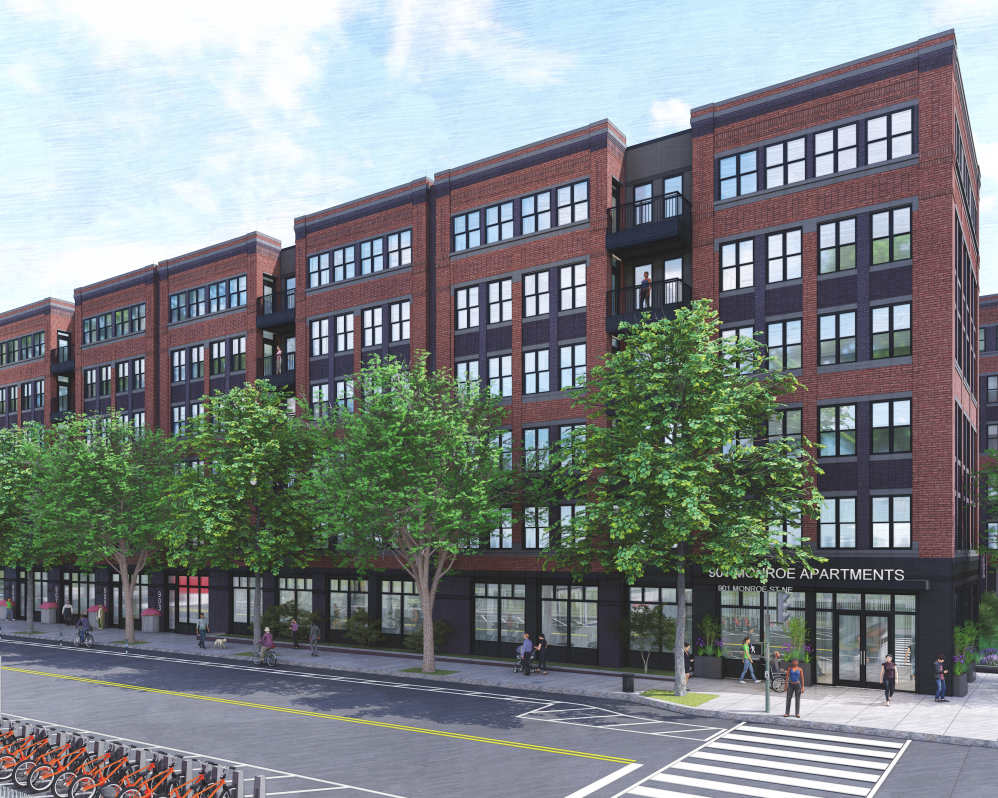
901 Monroe, a joint venture between Horning and the Menkiti Group, embodies a forward-thinking vision for a transit-oriented, mixed-income development at D.C.’s Brookland/CUA Metro station. This collaboration will bring a vibrant, transit-adjacent community into a neighborhood celebrated for its religious institutions, diverse public and charter schools, stable housing market, collegiate and creative atmosphere, retro storefronts, and charming, tree-lined streets.

Situated near major medical institutions like Children’s National, Medstar Hospital, and the VA Medical Center, and surrounded by a wealth of restaurants, breweries, and art galleries, Horning and the Menkiti Group are bringing 230 market-rate and affordable apartment units to this thriving neighborhood.

Learn More 

Northgate Crossing

Frederick, MD

Northgate Crossing

Northgate Crossing

Plans are underway for a 37-acre development in Frederick, Maryland. Northgate Crossing will feature a large format shopping center, versatile commercial spaces suitable for a range of businesses—including medical labs, breweries, and more—a hotel, and a full-service gas station. 

The project is near historic downtown Frederick, Parkland, and major activity centers such as the extension of Christopher’s Crossing, the National Cancer Institute Frederick Campus and Fort Detrick. It promises to become a vibrant home for national retailers, hospitality enterprises, entertainment venues, and a grocer, with an unrivaled combination of visibility, access, convenience and customization.

Award-Winning Developments

Horning’s impact has been recognized with multiple honors from the Washington Business Journal, including Best Real Estate Deal of the Year and a Community Impact Award for each of two transformative developments – Tivoli Square in Columbia Heights and Commons at Stanton Square in Anacostia.
 

Tivoli Square

Washington, DC

Tivoli Square

Tivoli Square

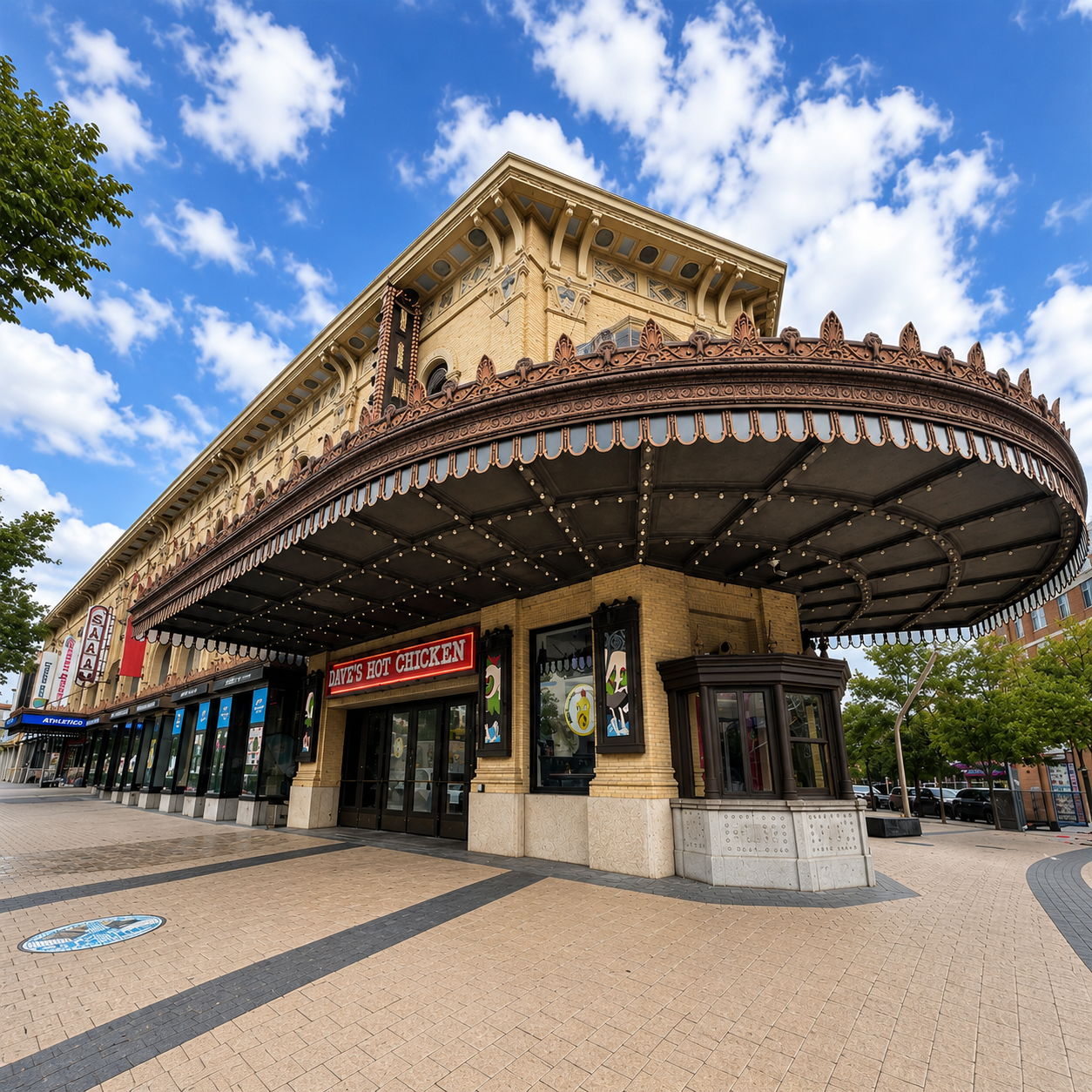
Shuttered and abandoned for more than 30 years, the once grand Tivoli Theater in Columbia Heights was in near ruin in a neighborhood devastated by 1960s unrest. Then, in 1999, Joe Horning took a chance. He believed in the potential to recapture an historic landmark in a storied neighborhood. He believed in the District. And in a neighborhood lacking significant public investment since the unrest of the 1960s. 

Today, Tivoli Square is a 116,000-square-foot retail, arts, and office complex that is home to GALA Hispanic Theater, Giant Food, the neighborhood’s first grocer in decades, two floors of offices, two decks of structured parking, and 40 townhome condominiums, eight of which are designated affordable. Groundbreaking and trendsetting, the Tivoli proves that developers can create economically viable projects that simultaneously serve the community. 

Stanton Square

Washington, DC

Stanton Square

Stanton Square

Stanton Square is a campus composed of The Commons, 42 for-sale townhomes, and 121 affordable rental homes to provide housing and services to the underserved of Ward 8. 

Built on land that Horning donated, and underwritten by a $10 million dollar grant from the Horning family, the 57,000 sf Commons at Stanton Square in D.C.’s historic Anacostia neighborhood houses Martha’s Table, Community of Hope and other non-profits. Together they provide early childhood education, nutrition programs, parental support, and emotional wellness services, as well as before- and after- school programs, for children and teens in Ward 8. 

The campus also includes a recently completed housing community of 42 for-sale townhomes and 121 affordable rental apartments (Trio at Stanton Square.) The predominantly market-rate townhomes diversify the economic base in this submarket. And the multi-family community- which was funded through the support of DHCD, DCHFA, DCHA and private sources- includes 13 homes reserved as permanent supportive housing. Directly addressing the issue of homelessness, this proven solution pairs affordable housing with case management and supportive services for the most vulnerable.